Movement pattern
Record travel lines, turns, braking and waiting points.
Industrial floors
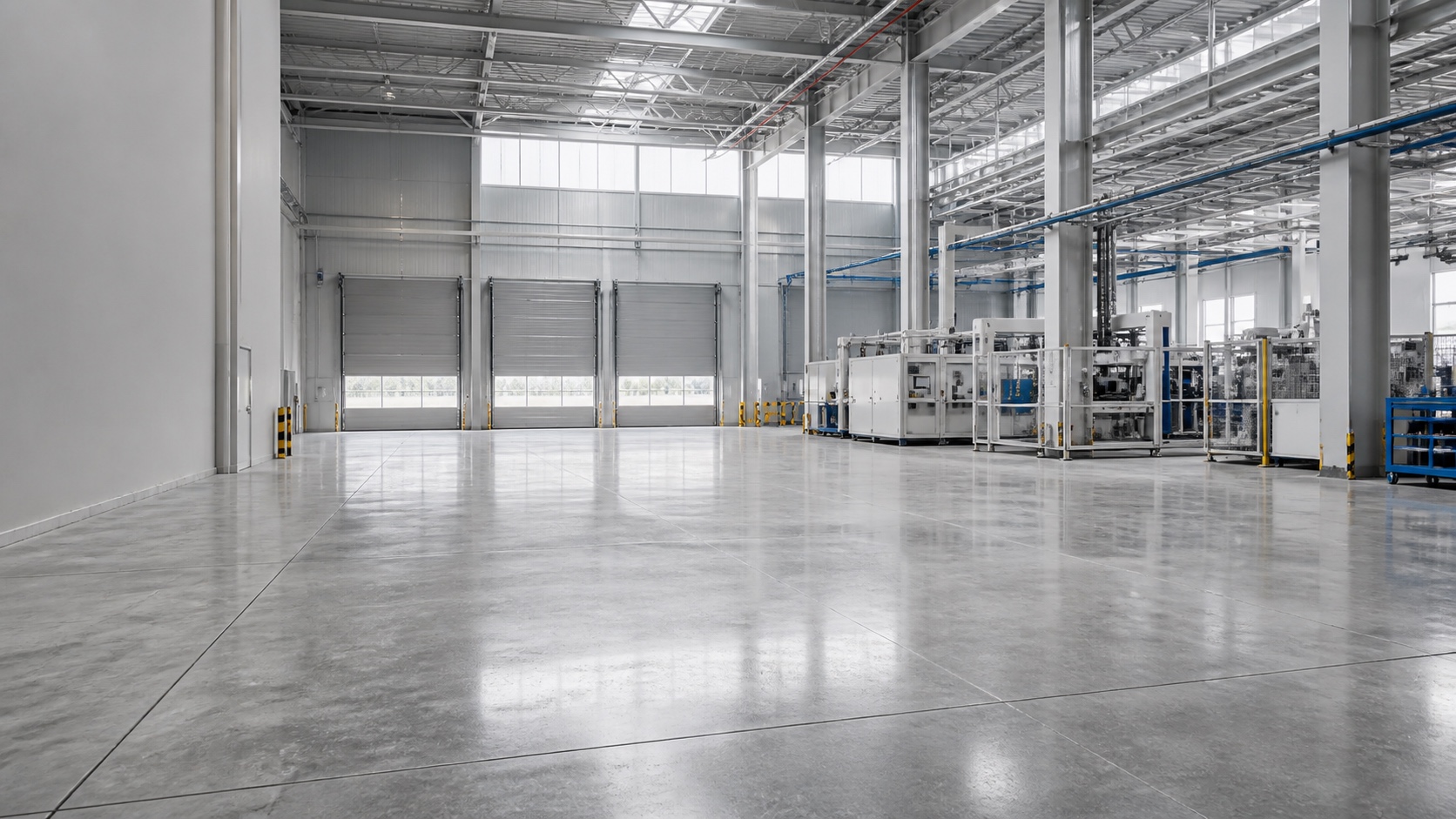
Define traffic, wheel and operating conditions, then evaluate fibre, joint, surface-hardener and coating options together.
Record travel lines, turns, braking and waiting points.
Record wheel material, rack feet and equipment supports.
Locate impact, spill, wash-down and repair-sensitive areas.
Note installation access, shutdown windows and maintenance routine.
Application context
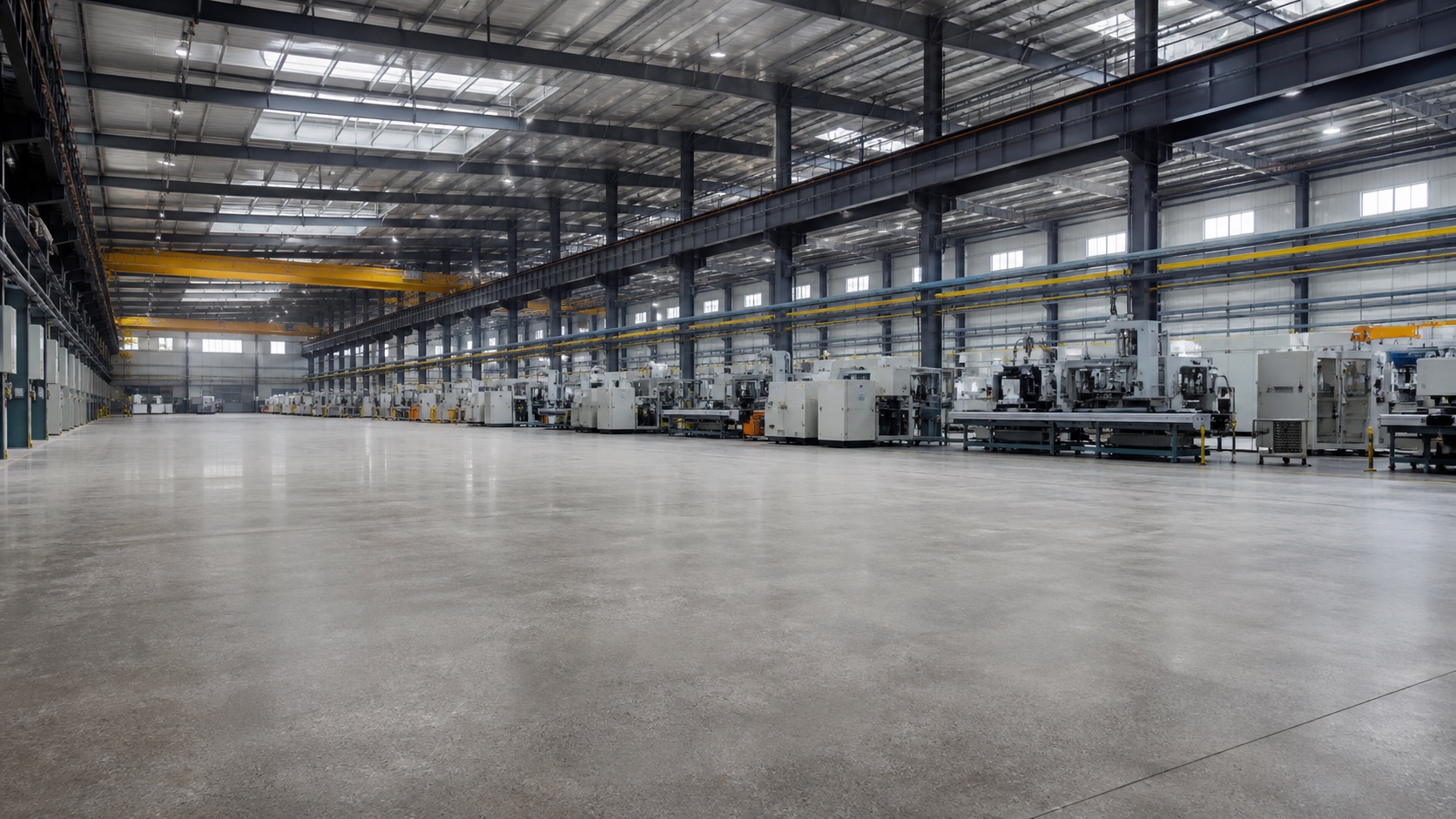
Traffic routes, wheel contact, fixed loads, impact, wet processes and shutdown windows should be visible in one site brief.
Selection criteria
Movement, contact, operating events and installation sequence are recorded separately.
Record this item with the existing condition and target in the project brief.
Review it together with actual site and operating conditions.
Clarify its limits before selecting the detail solution.
Verify it against the technical documents and installation plan.
System alternatives
Products selected for this application area according to project conditions.










Project brief
Local load, traffic, impact and wet-process conditions are recorded as separate zone inputs.
Locate a local risk without turning it into a whole-slab assumption.
Capture route changes, stopping points and wheel contact.
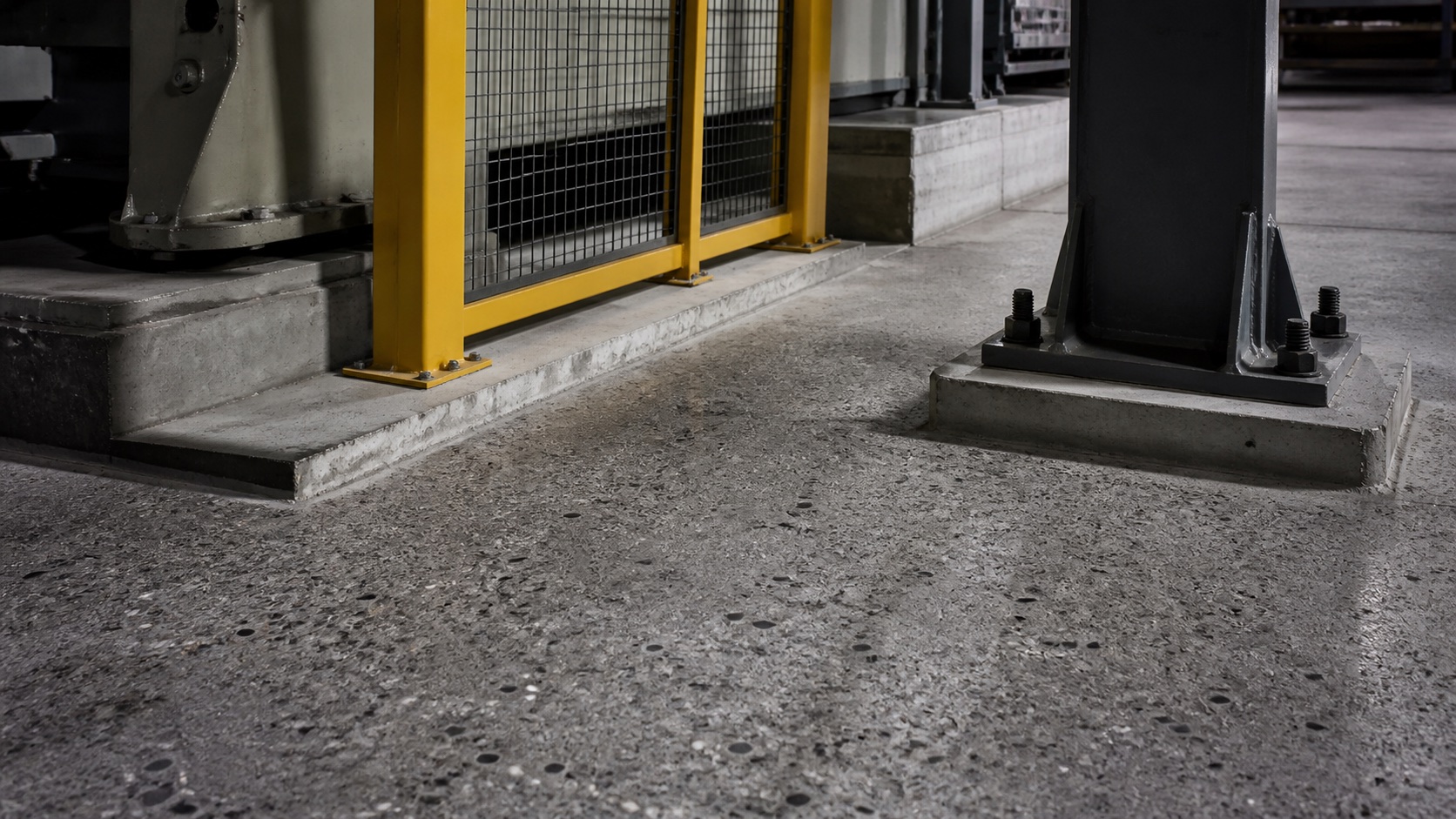
Capture support geometry, fixed-load locations and installation constraints.
Capture doors, handover points, joint crossings and repeated impacts.
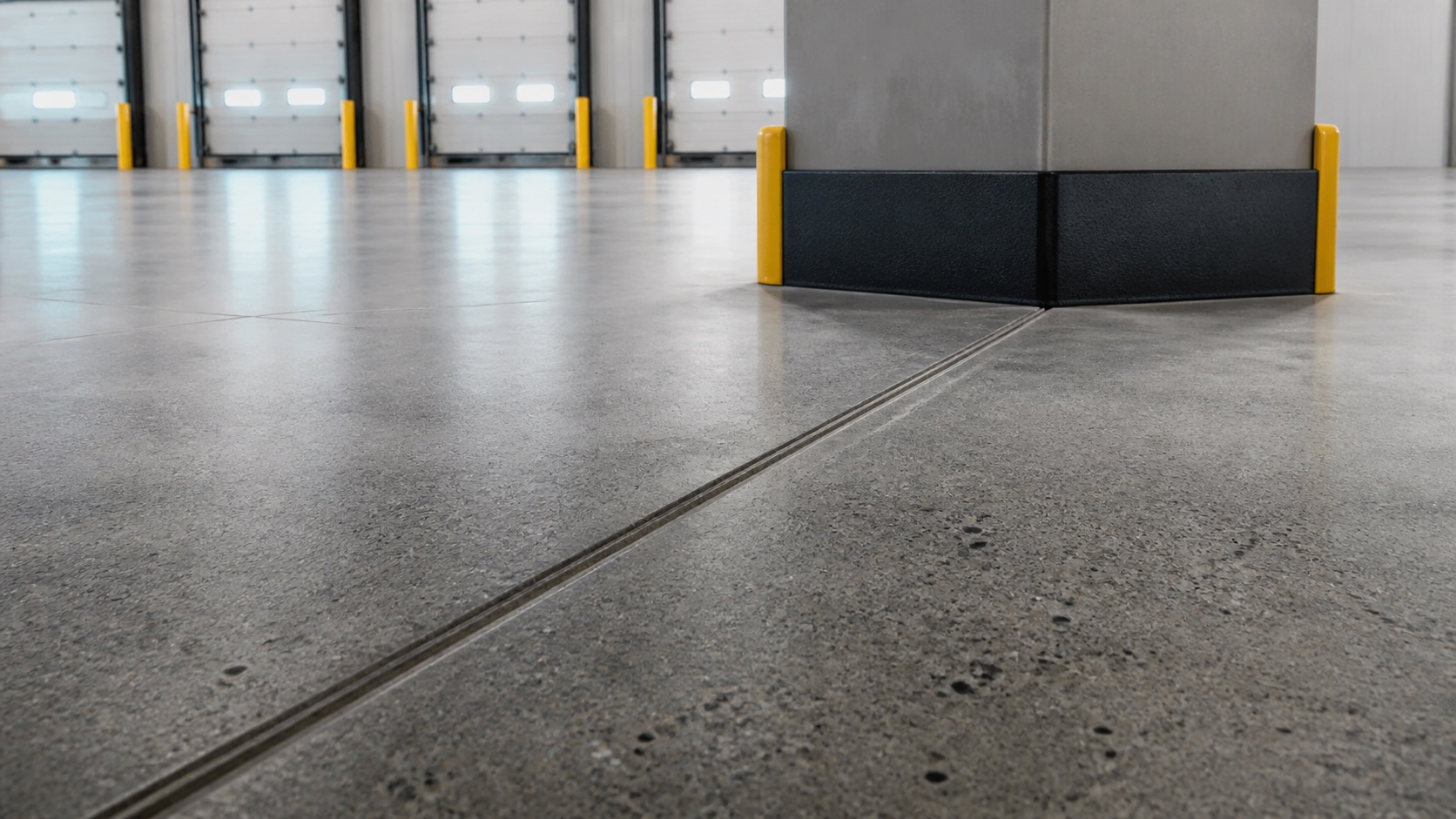
Vehicle type, wheel load, floor area and operating pattern guide system selection.